Video by Robert Chaplin


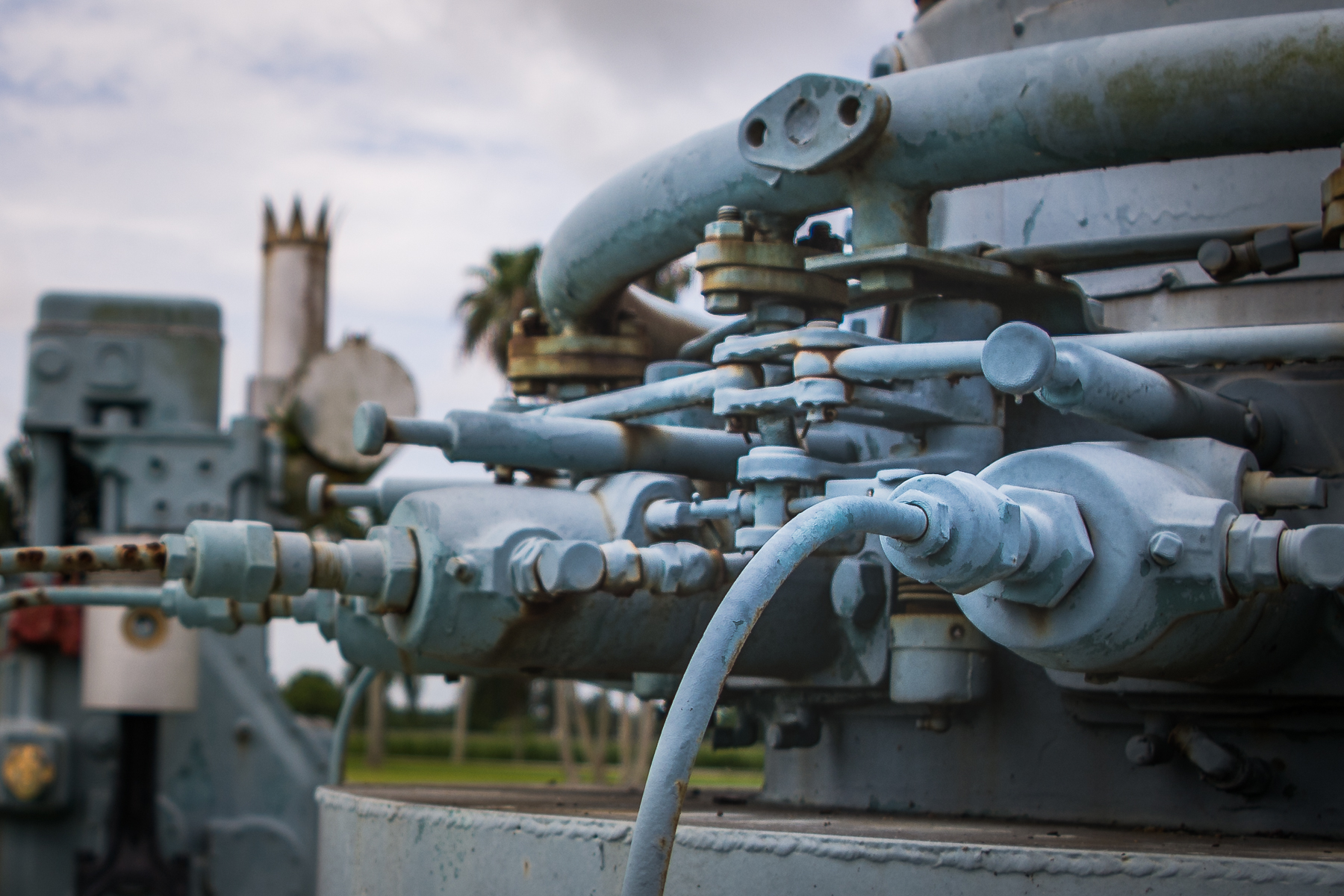



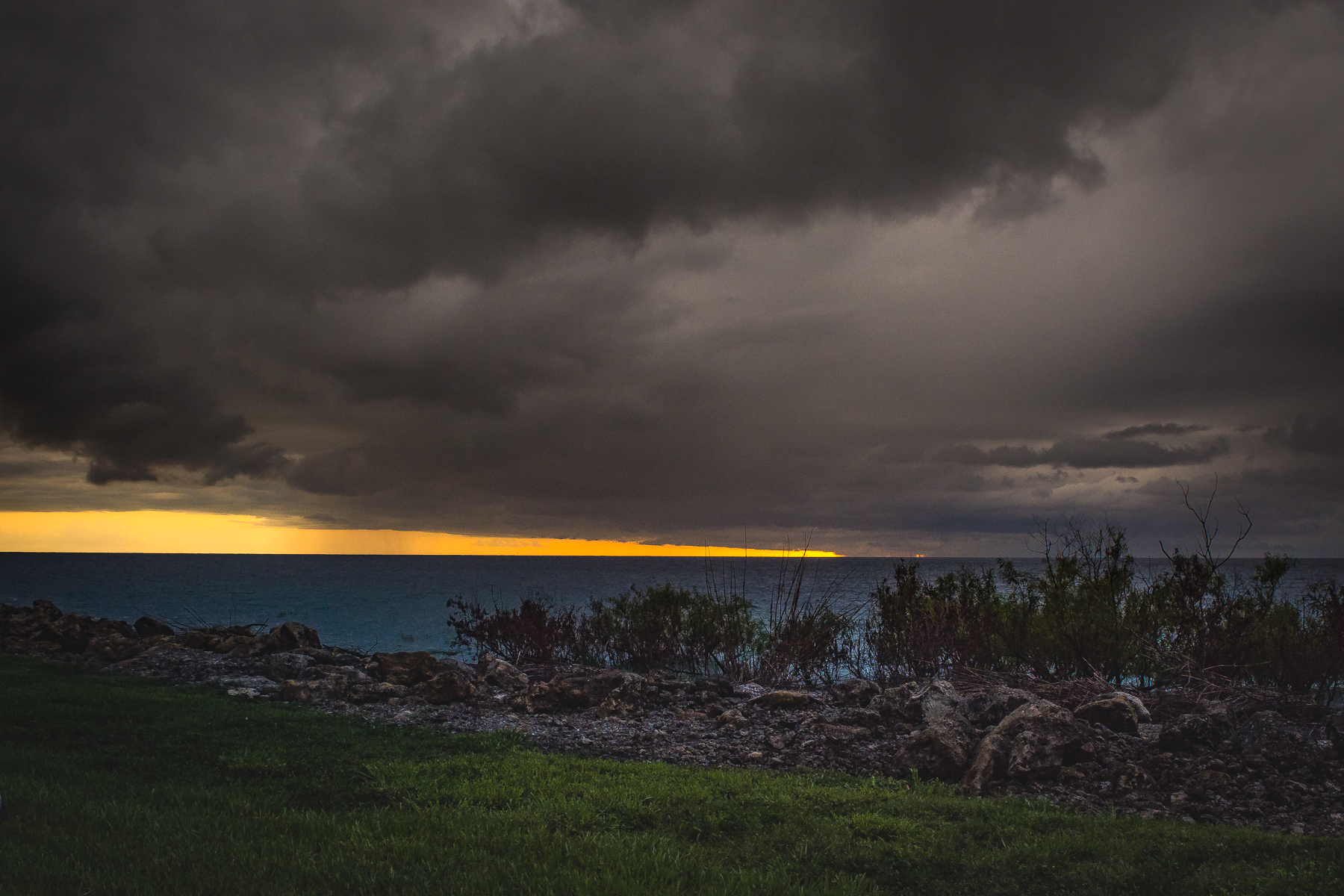

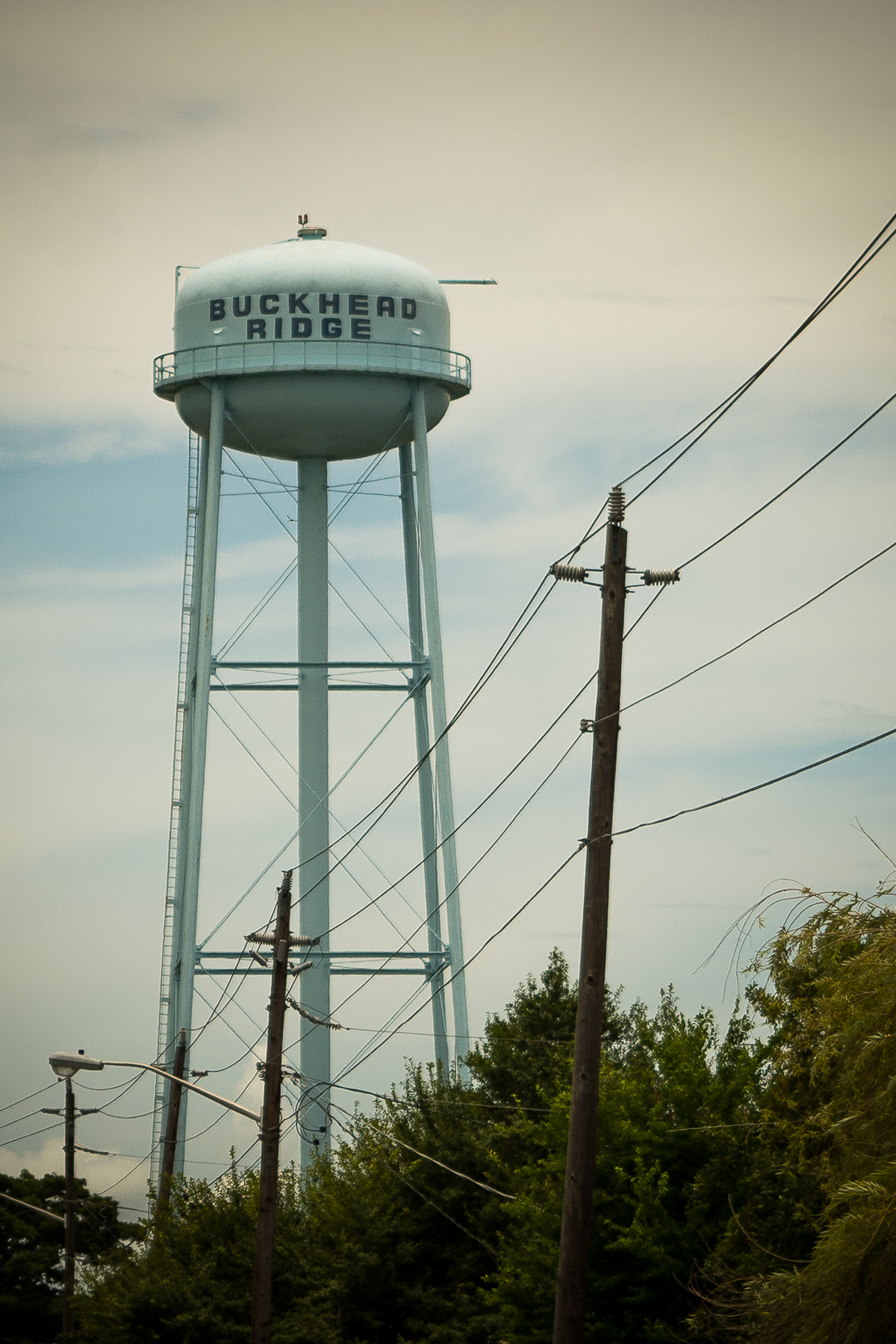


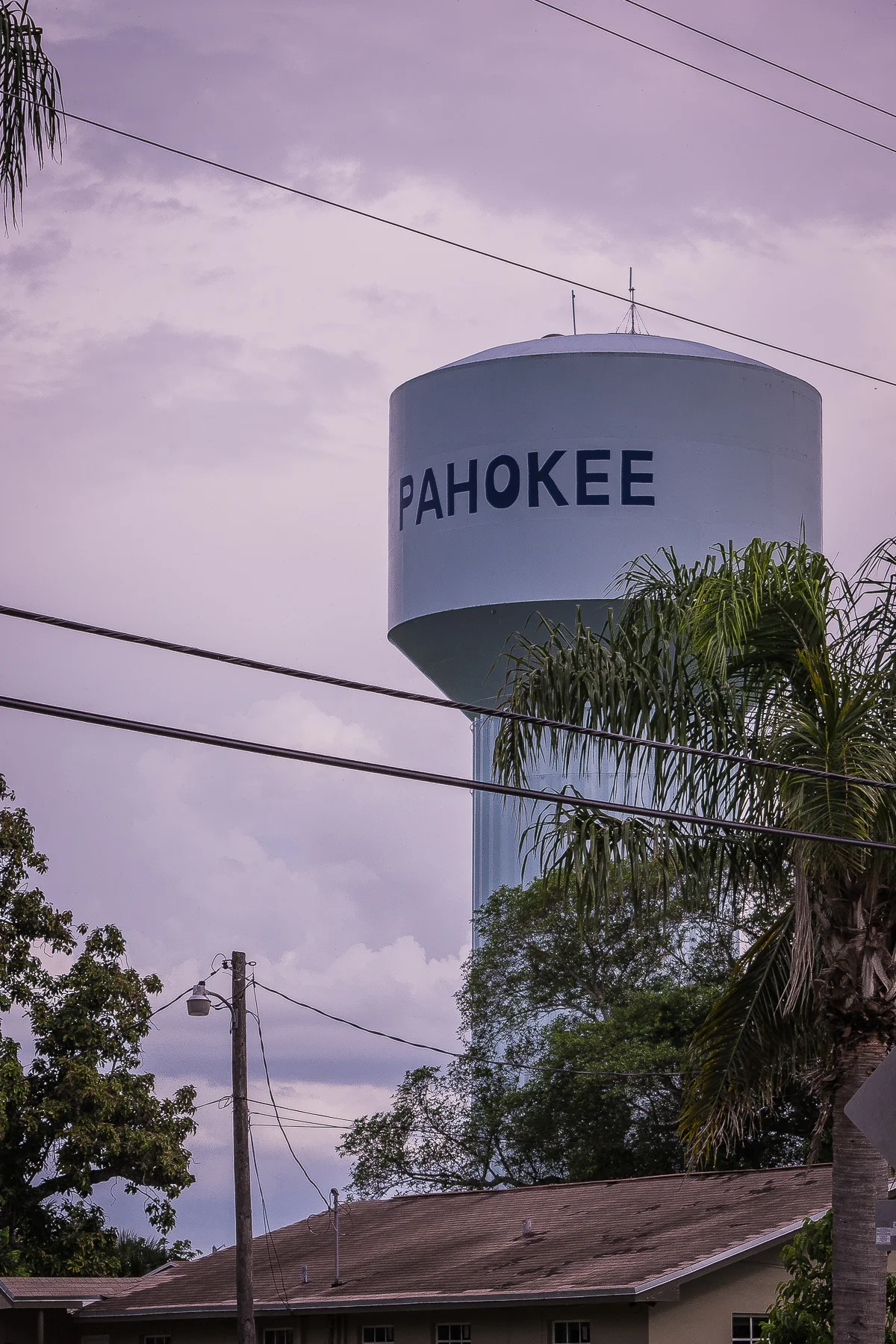

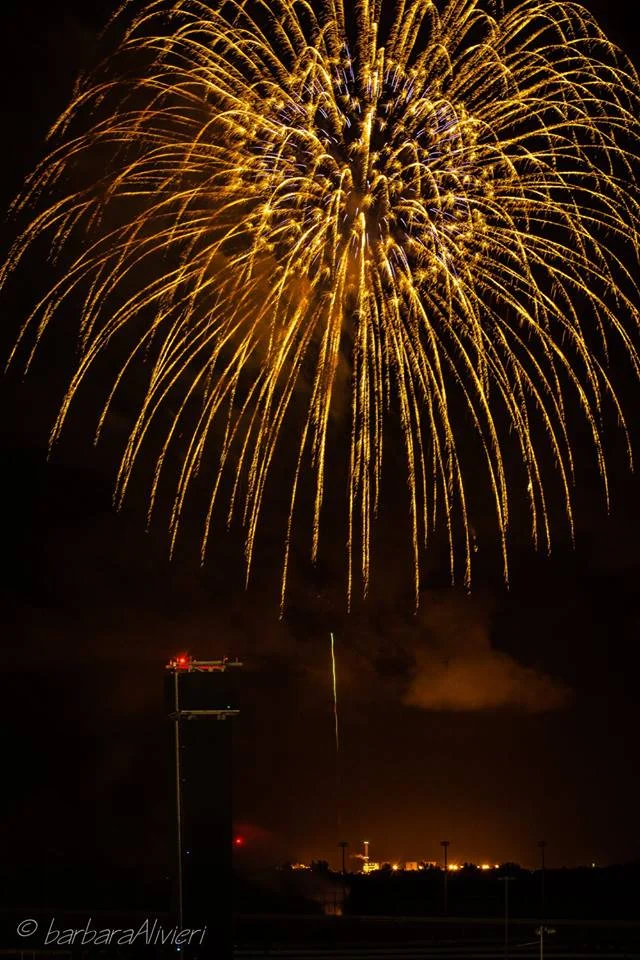
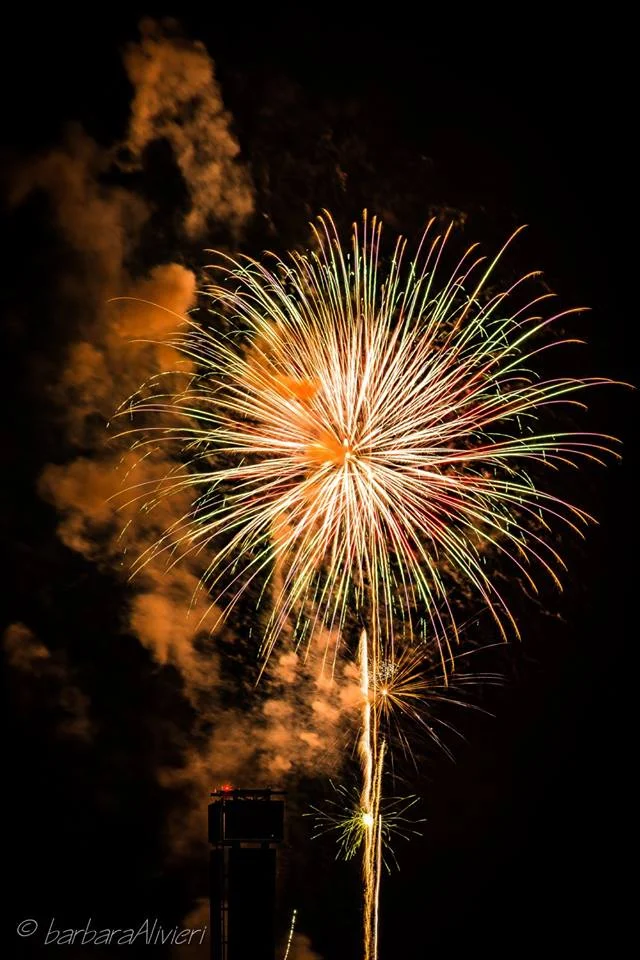
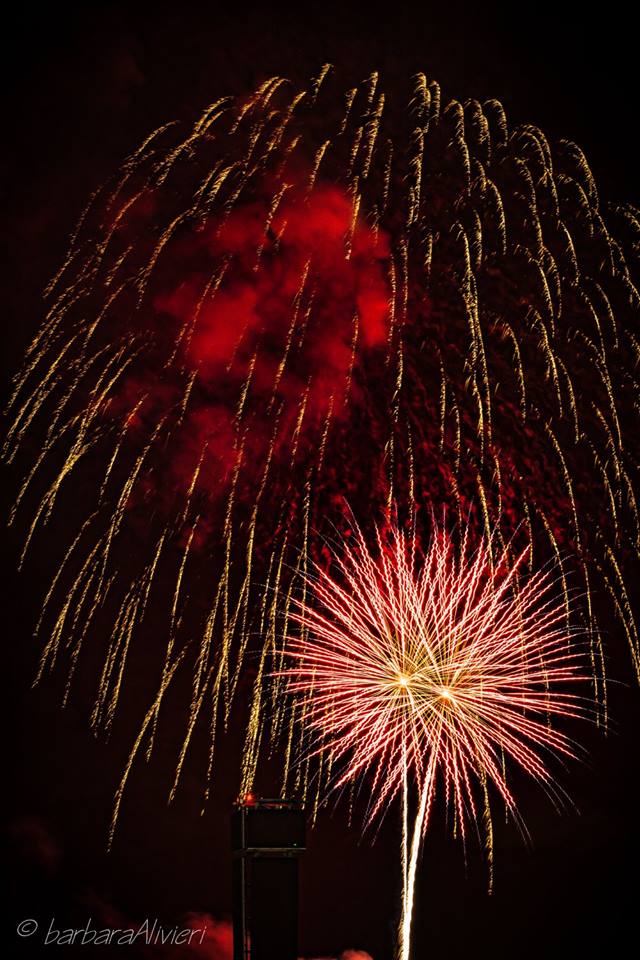
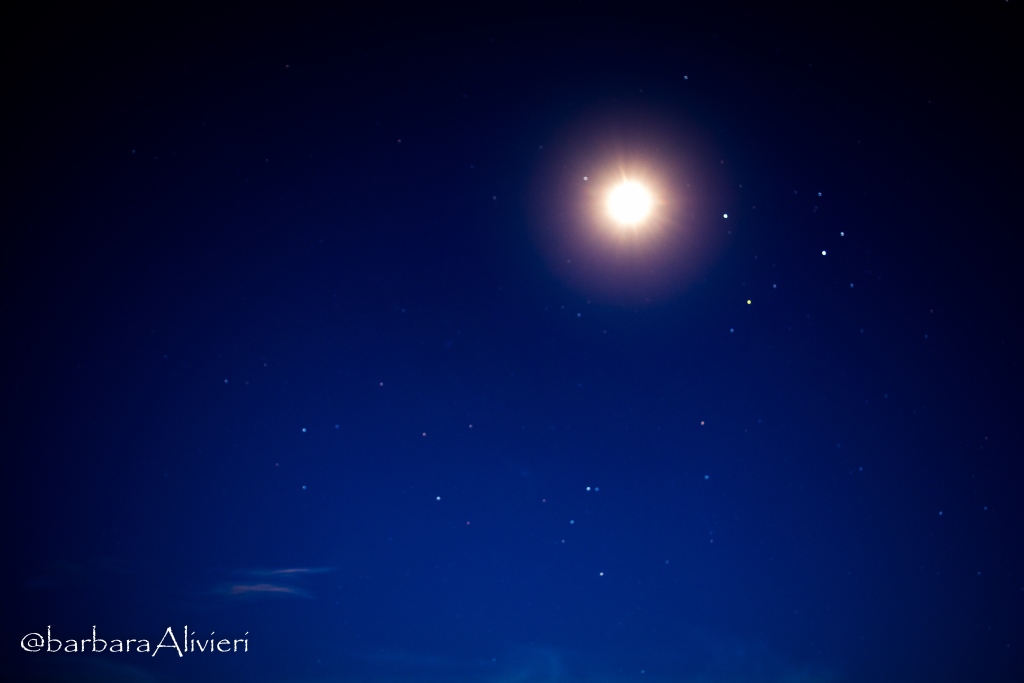
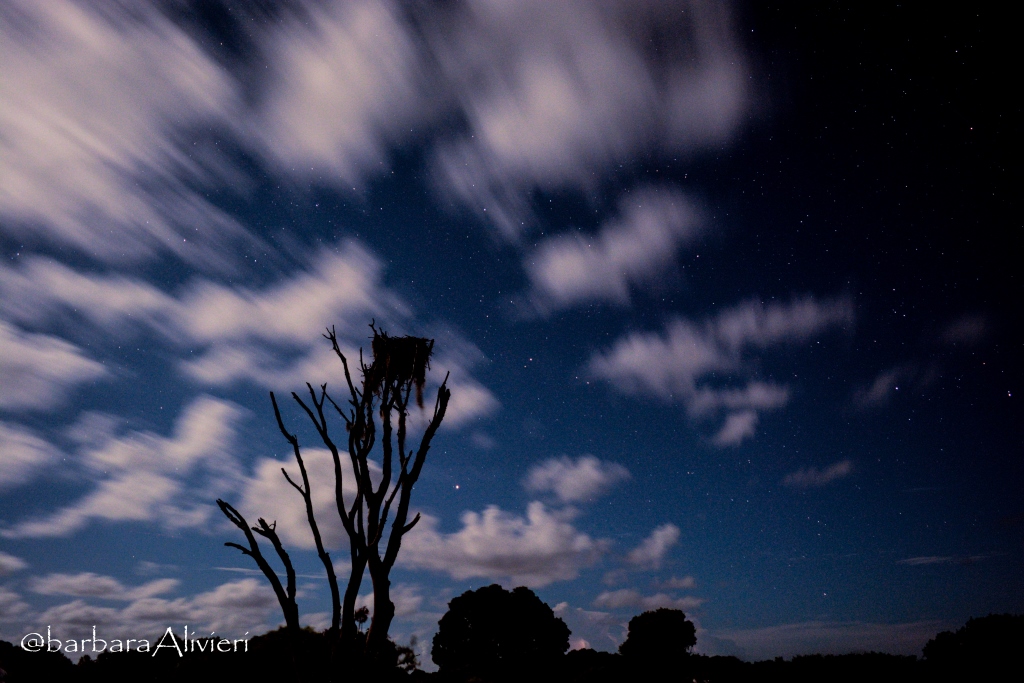
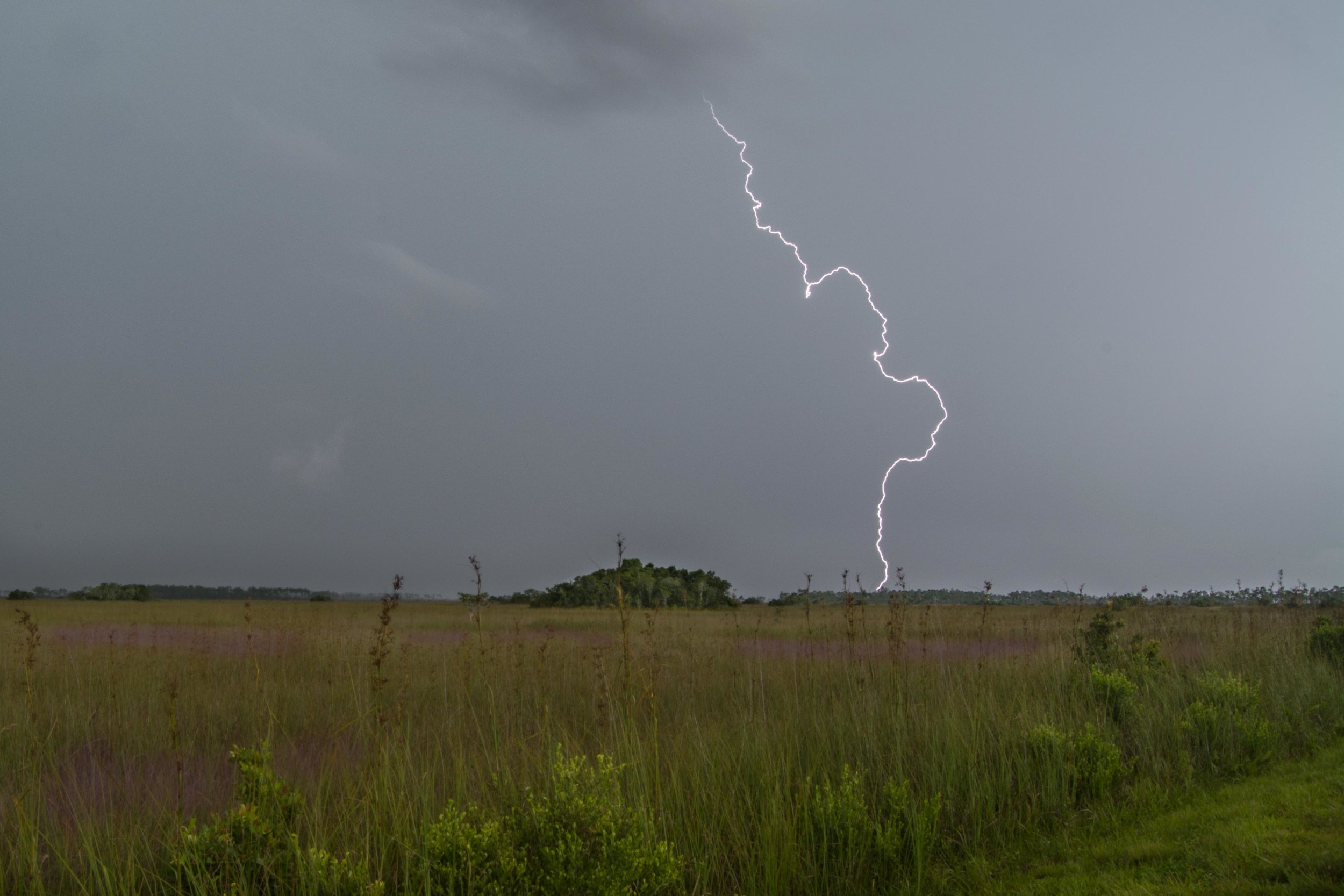
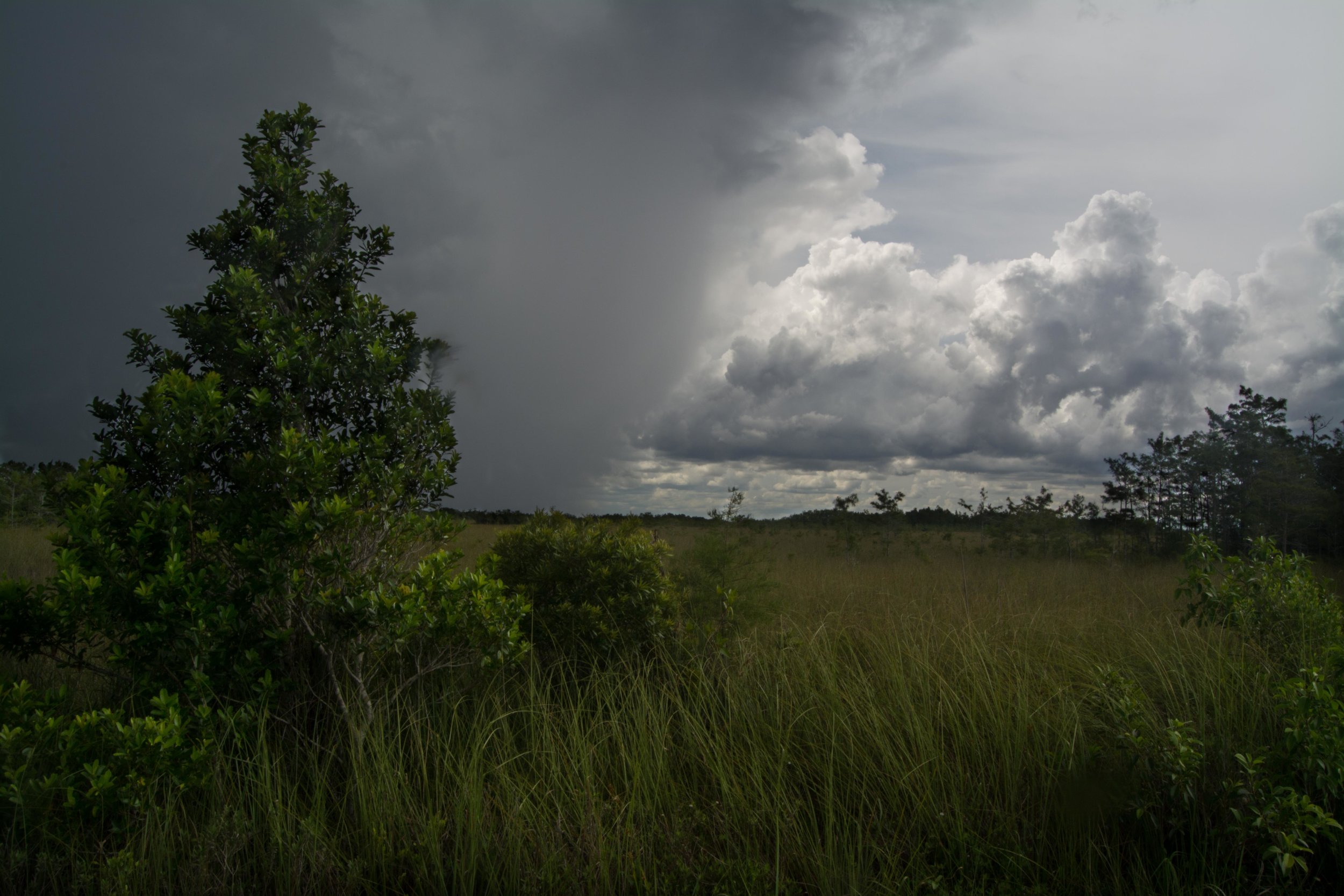
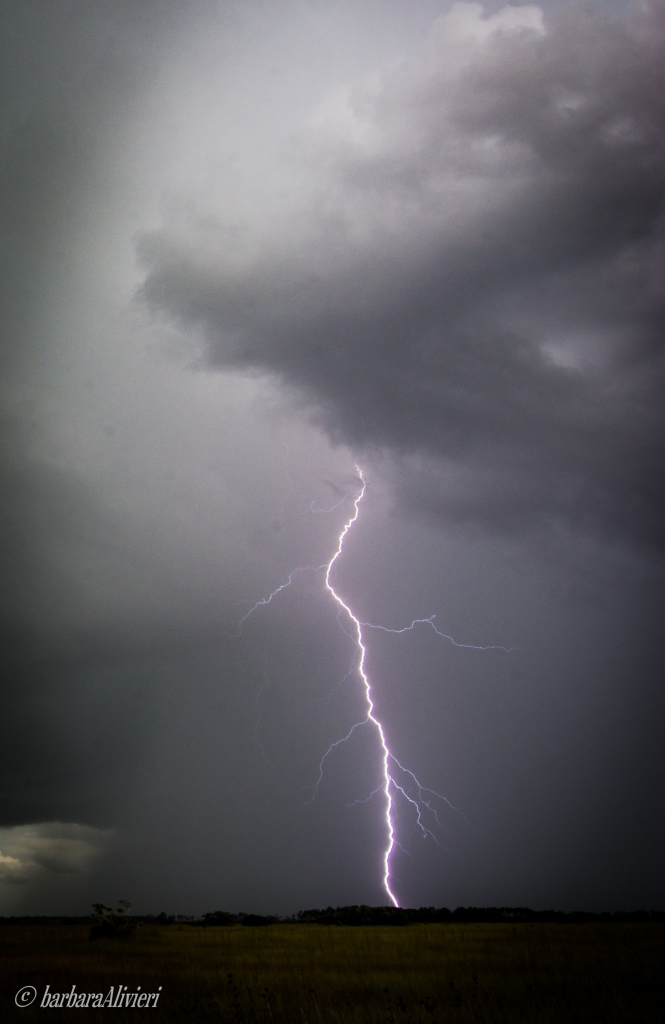
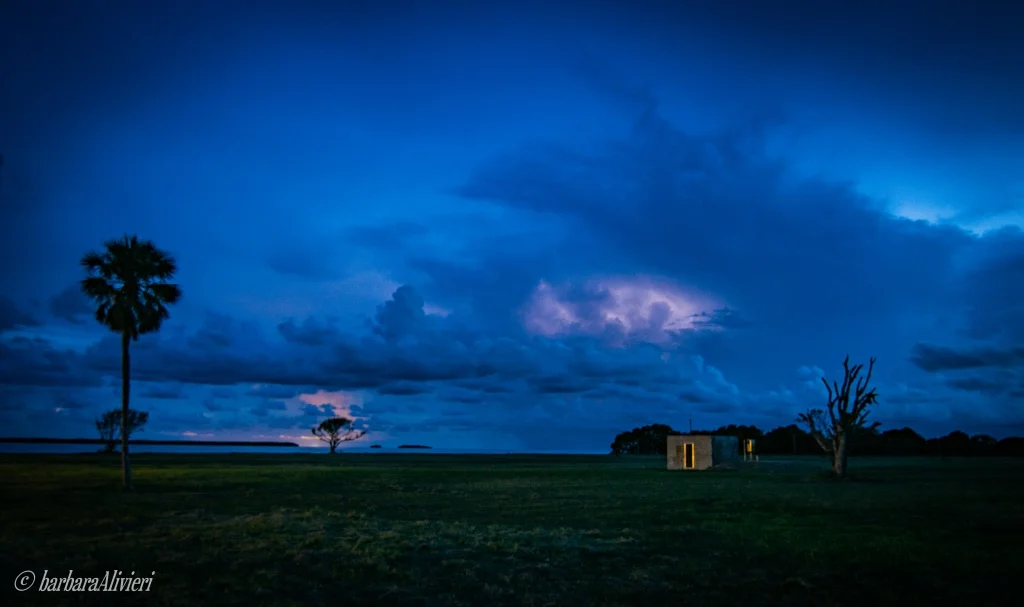
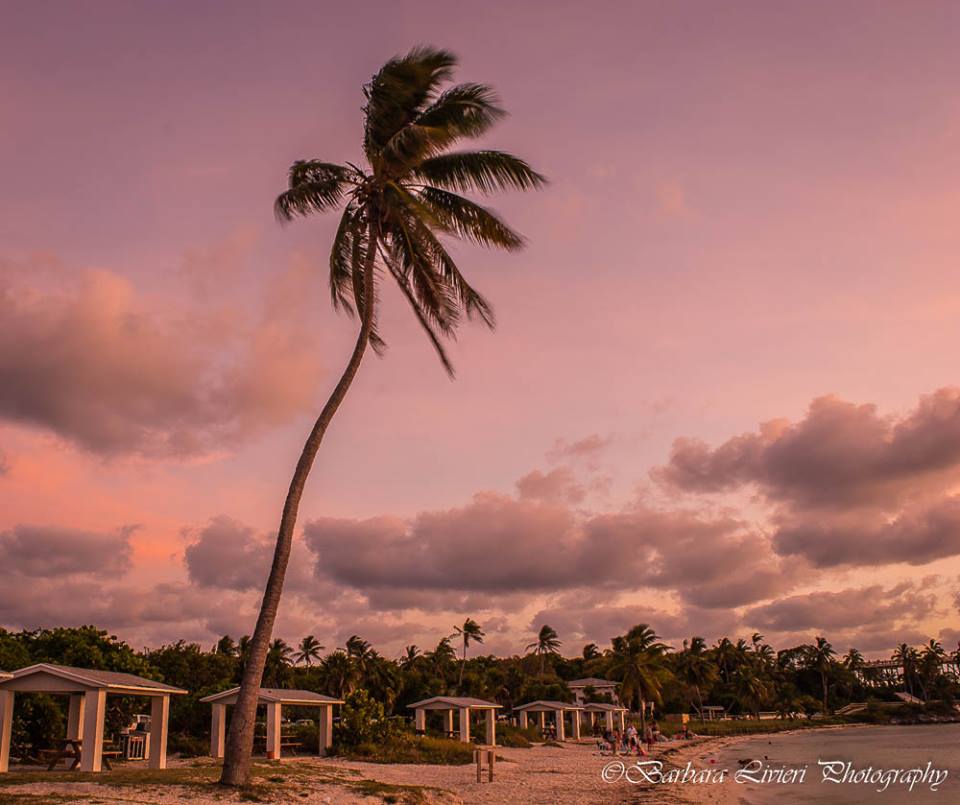
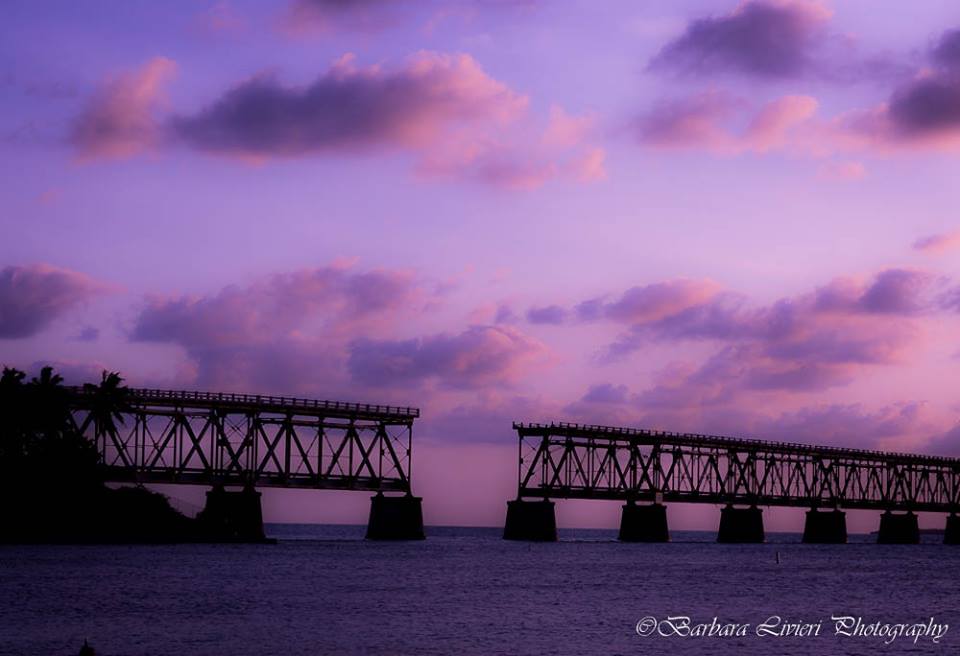
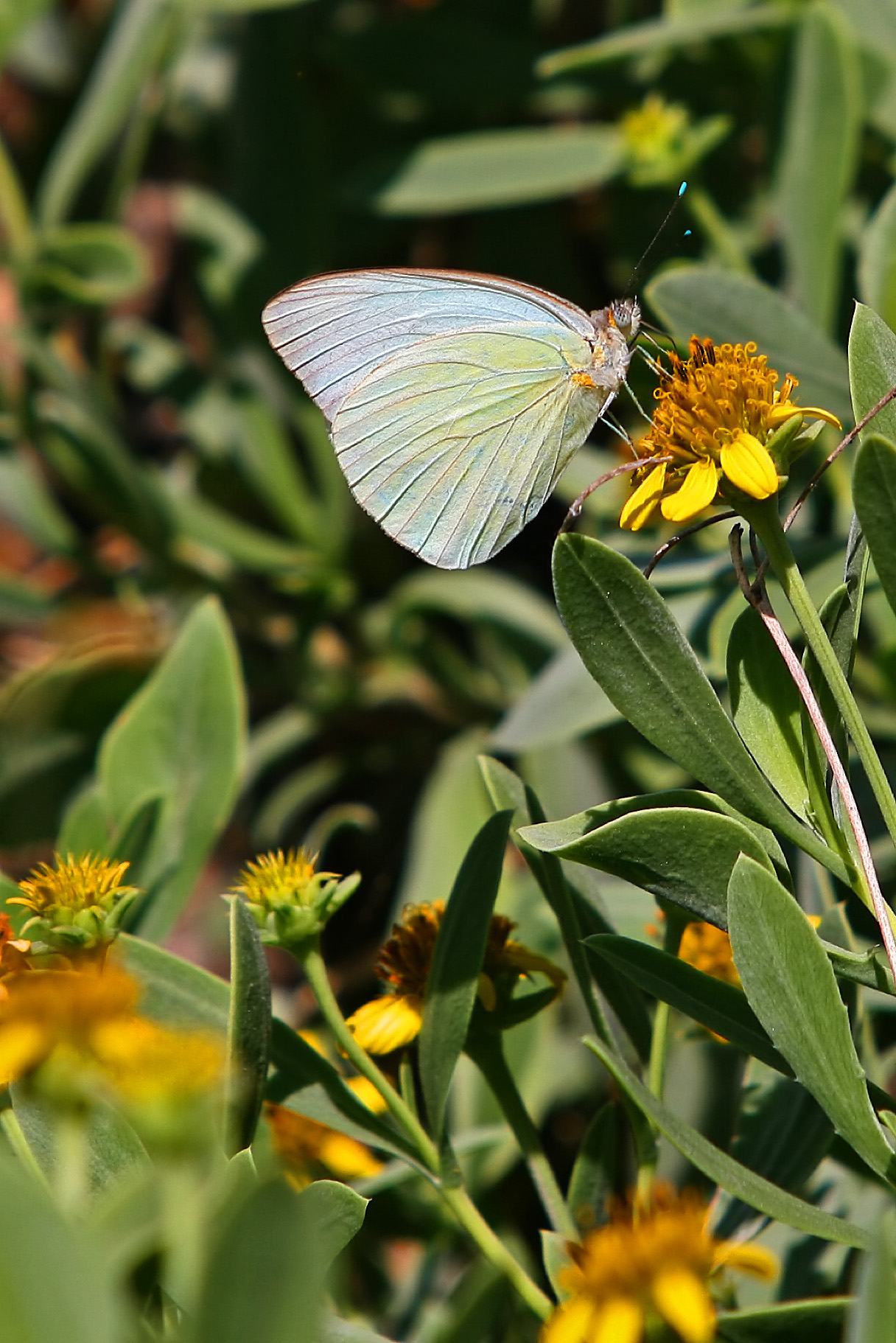
Photos by Barbara Livieri

Video by Robert Chaplin
Photos by Barbara Livieri
Photos by Barbara Livieri
Images below by Sara Settles
Images below by Barbara Livieri
Images below by Sara Settles
Images below by Barbara Livieri
Hello members,
We are working on another showing of SFNPCCs photographic work. This time we have partnered with the Biscayne National Park, and they need us to provide them with photographs for a display at the Dante Fascell Visitor Center gallery from September 16th through November 27th.
We are looking for club members’ photos to put on display. We would like to have as many participants as we can, and to get as many of our members involved as we can. The more participants we have, the more diverse our show will be.
Biscayne Park is even working with us to arrange access to more remote areas of the park by way of “ride-along’s” with park maintenance. More information will be forthcoming regarding this.
Right now we’re just looking for names of people who will commit to putting photos on display. Robert is in discussion with them to find out exactly how many pieces we need, and the sizes etc. We will pass that information along to you.
The only restriction is that the photos must be taken within the boundaries of one of the four South Florida National Parks: 1) Big Cypress; 2) Biscayne; 3) Dry Tortugas; or 4) Everglades. Final, ready-to-show prints, will have to be completed by early-mid September. Just so you can get a feel for the timeframe.
I urge you all to participate in this great opportunity. If you are interested, email us at info@sfnpcc.org to let us know and we’ll put you on the list. We are still working on the details but it looks like they will be providing more exposure for our event by way of multi-media advertising.
Sincerely,
SFNPCC Board of Officers
Images by Barbara Livieri
The participants - SFNPCC!
The scenes... It was a breathtaking evening.
Images by Michael Downs
Message From Lori Oberhofer, Wildlife Biologist Everglades National Park
HOMESTEAD, Fla.: In a continuing effort to protect nesting Roseate Spoonbills, effective immediately the west side of Palm Key is closed to all access. In order to minimize disturbance and maximize nesting success for the Roseate Spoonbill and other nesting wading birds, a seasonal closure is needed.
Palm Key is located in Florida Bay approximately 2.5 nautical miles southwest of Flamingo. The area within 150 feet of the western edge of Palm Key as marked by buoys will be closed to all entry. Roseate Spoonbills are currently nesting in trees along the western edge of this island. Disturbance from boating activity can flush adult birds off nests leaving eggs and chicks exposed to extreme hot/cold temperatures and predators such as crows or vultures. A seasonal closure will protect birds and nests from disturbance.
The temporary closure will be removed once biologists determine that the nesting colony is no longer active.
For additional information, contact park information at 305-242-7700 (during regular business hours, Monday – Friday, 8:00 a.m. – 4:30 p.m.).
WHAT: Emergency closure of the west side of Palm Key, to protect nesting birds in this area from human disturbance.
WHEN: Immediately, until the end of nesting season and the announcement is made that the closure buoys are removed.
WHERE: Palm Key is located in Florida Bay approximately 2.5 nautical miles southwest of Flamingo.
Media Note - Photo Credit National Park Service, Rodney Camauf
This and other park releases are available at http://www.nps.gov/ever/parknews/newsreleases.htm
More information on Everglades National Park can be found on the park website at http://www.nps.gov/ever
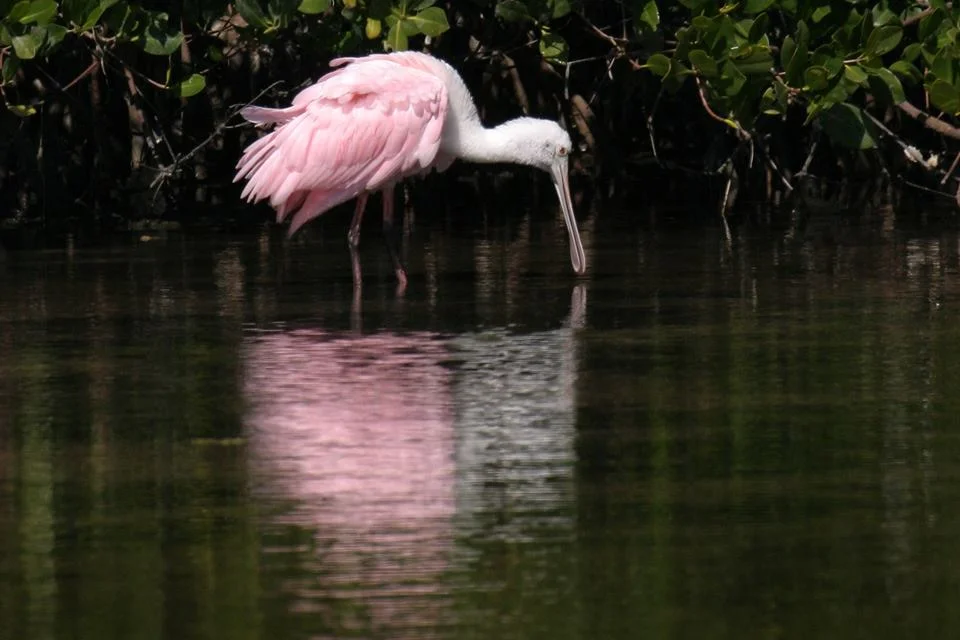
Roseate Spoonbill Courtesy of Everglades National Park Service, Rodney Camauf

Palm Key Restricted Area Courtesy of Everglades National Park Service, Rodney Camauf
Images by Bradley Elgincolin
Saturday's Ranger led field trip ended up not being a swamp walk. Due to the low turnout we opted for an interpretive walk for the first 3/4 of a mile down the Old Ingraham Highway.
This turned out to be a good choice. Along with the interesting information provided by Ranger Rudy Beotegui we had the rare opportunity to see not 1 or 2, but 3 Diamond Back Rattle Snakes. Rattle snakes are normally solitary animals, but can be found together during breeding season.
This field trip illustrated the point, that you never know what you will find when you visit the Everglades.